
7 Things Nobody Tells New CVICU Nurses
7 Things Nobody Tells New CVICU Nurses (Until Something Almost Goes Wrong)

Every CVICU nurse has a moment they don't talk about — the shift where they realized nobody had actually explained the thing they were now expected to just know. Not because anyone was hiding it from you. It's just never written down anywhere in one place.
I asked around, thought back on my own orientation, and put together the things that come up again and again. If you're new to CVICU, CICU, or cath lab, this is the list I wish someone had handed me on day one.
1. Vitals lie before they tell you the truth.
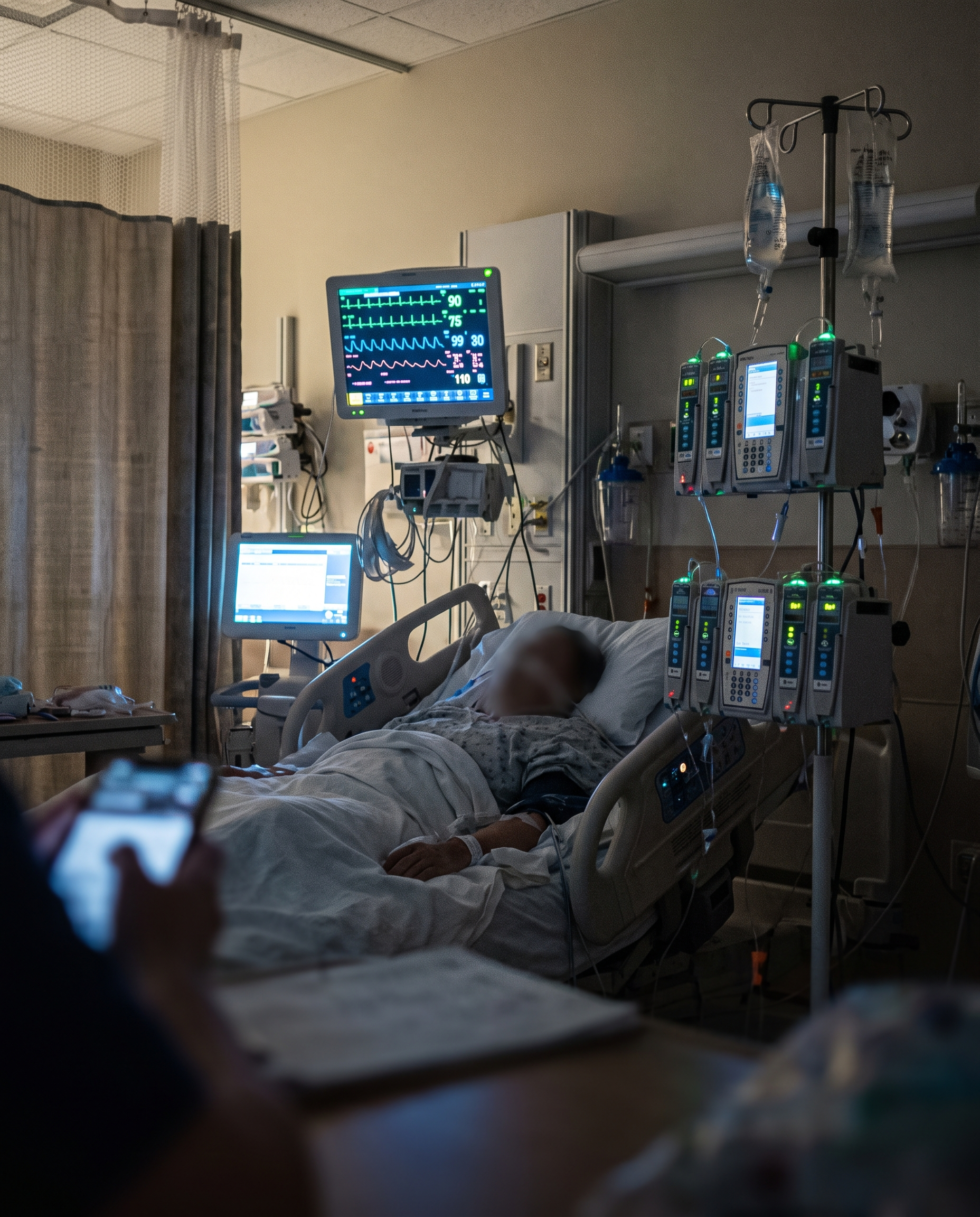
A patient can look “stable” on paper while they're already sliding into cardiogenic shock. Cool extremities. Narrowing pulse pressure. Rising lactate. All of it shows up before blood pressure ever drops. If you're only watching the numbers everyone else is watching, you're already behind the patient.
2. You'll be trusted with life-support devices before you feel ready.
Impella. IABP. ECMO. Nobody waits for you to feel confident — most units expect a baseline competency by the end of a set orientation window, whether or not it feels earned yet. That gap between what's expected and what feels internalized is normal. It's also exactly where people get hurt if nobody closes it for you.

3. Waveforms are a second language nobody sits down and translates for you.
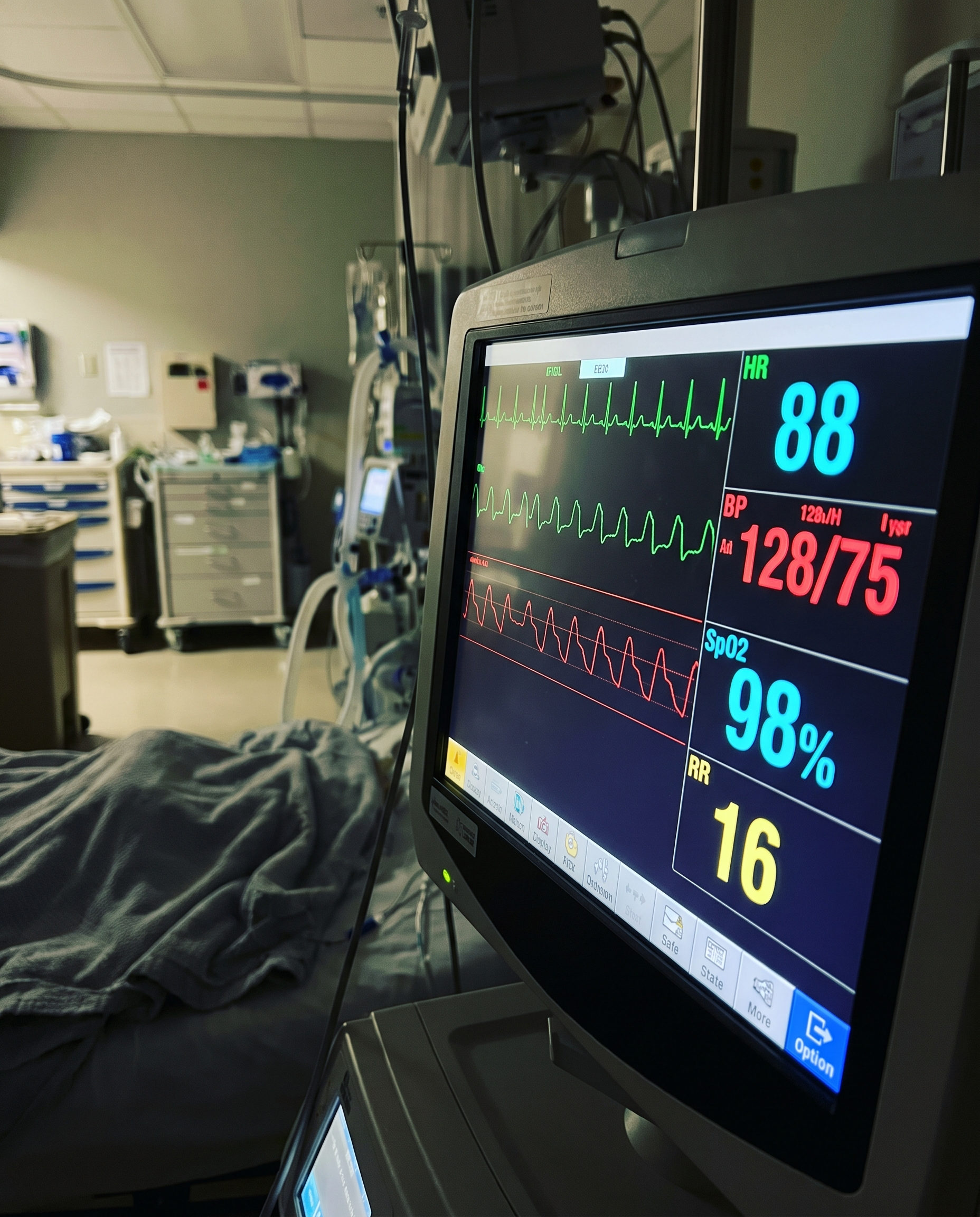
A dampened line can look “fine” on a monitor and mean something is seriously wrong. IABP timing errors and Swan-Ganz misreads are rarely loud. They're quiet, and they're the mistakes that get missed under pressure — not because someone wasn't paying attention, but because nobody ever explained what the shape was actually showing.
4. Silence from your preceptor doesn't mean you're doing fine.
Preceptors get pulled into their own patients constantly. No feedback isn't the same as good feedback. If you're not sure, ask directly: “Is there anything I'm missing right now?” The nurses who ask that question the most are usually the ones who become the strongest at the bedside — not the ones who stay quiet.
5. EKG territories are pattern recognition, not memorization.
Which leads, which artery, which complication to expect next — that's the difference between reacting to a rhythm change and anticipating it. It clicks once you can actually picture the coronary anatomy underneath the leads, not just recite “ST elevation in II, III, aVF.”
6. Feeling behind is the norm in orientation, not the exception.
Nearly every strong ICU nurse has a story about crying in their car after a hard shift and wondering if they were cut out for this. The difference between the ones who stayed and the ones who left usually wasn't confidence on day one. It was whether they had something — a person, a resource, a reference — that helped close the gap faster than the fear could grow.
7. The gap isn't a you problem. It's a training-materials problem.
Most orientation packets are written for people who already think like ICU nurses. Textbooks cover the physiology and the devices as if they're unrelated chapters. Almost nobody puts the waveforms, the timing, and the “why” behind it all in one place, visually, the way you actually need it at the bedside.

That last one is the reason I started keeping a running list of exactly this kind of thing for myself — and eventually why I started pointing new orientees toward A Visual Guide to Cardiac Critical Care, a spiral-bound reference written by a cardiac surgery PA-C that lays out Impella and IABP waveforms, Swan-Ganz interpretation, EKG territories, cardiogenic shock progression, and preload/afterload the way you actually need to see it, not the way a textbook wants to explain it.
Built for nurses new to CVICU, CICU, and cath lab.
Waveforms. Staging. Device basics. The physiology behind all of it, in one visual reference.
See the Guide— Rachel M., BSN, RN