
The Fear Every New CVICU Nurse Has and Won't Say Out Loud
The Fear Every New CVICU Nurse Has and Won't Say Out Loud

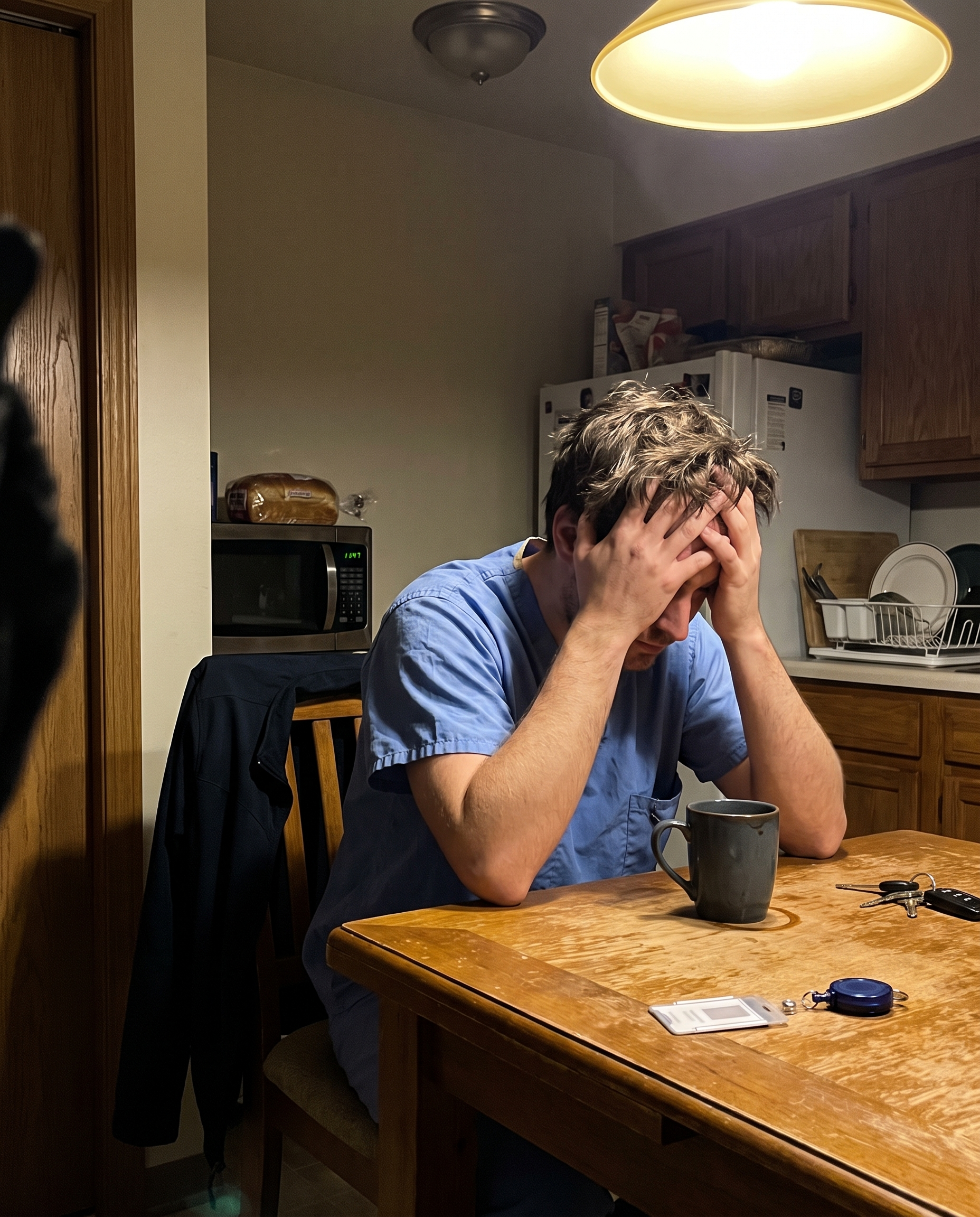
Nobody says it out loud on the unit. You won't hear it in report, and you definitely won't hear it from the person training you. But almost every new cardiac ICU nurse is carrying the exact same fear, and almost nobody admits it until someone else says it first.
So I'm going to say it first.
Not dramatic. Not tearful. Said the way you'd say "I'm tired" — like it had become a fact about yourself. That's how my best friend, six months into her CVICU residency, said it to me from her car in the hospital parking garage. I'm not a nurse. I didn't know what to say. So I spent a weekend reading nursing forums and Reddit threads, and I found hundreds of nurses saying the exact same thing, word for word.
Here's what that fear actually looks like, in the moments it shows up.
The Freeze — When the Alarm Goes Off and Your Brain Goes Blank
Four months into her CVICU residency, a nurse I know had a patient on a balloon pump. Post-op CABG, day one. Her preceptor stepped off the unit for twenty minutes. The arterial line started damping. The waveform changed. She didn't know what it meant.
She stood there. Didn't touch anything, didn't call anyone — just stared at the monitor while her brain came up completely empty. Another nurse walked by, fixed it in ninety seconds, and kept walking. Nobody wrote her up. The patient was fine. But she sat at her kitchen table that night, still in her scrubs, thinking about the fact that she'd gone through four years of school and twelve weeks of orientation and had nothing when it actually mattered.
That's the fear. Not that you'll get yelled at. That next time, nobody walks by in time.
The Silence — Being Too Embarrassed to Tell Anyone on Your Unit

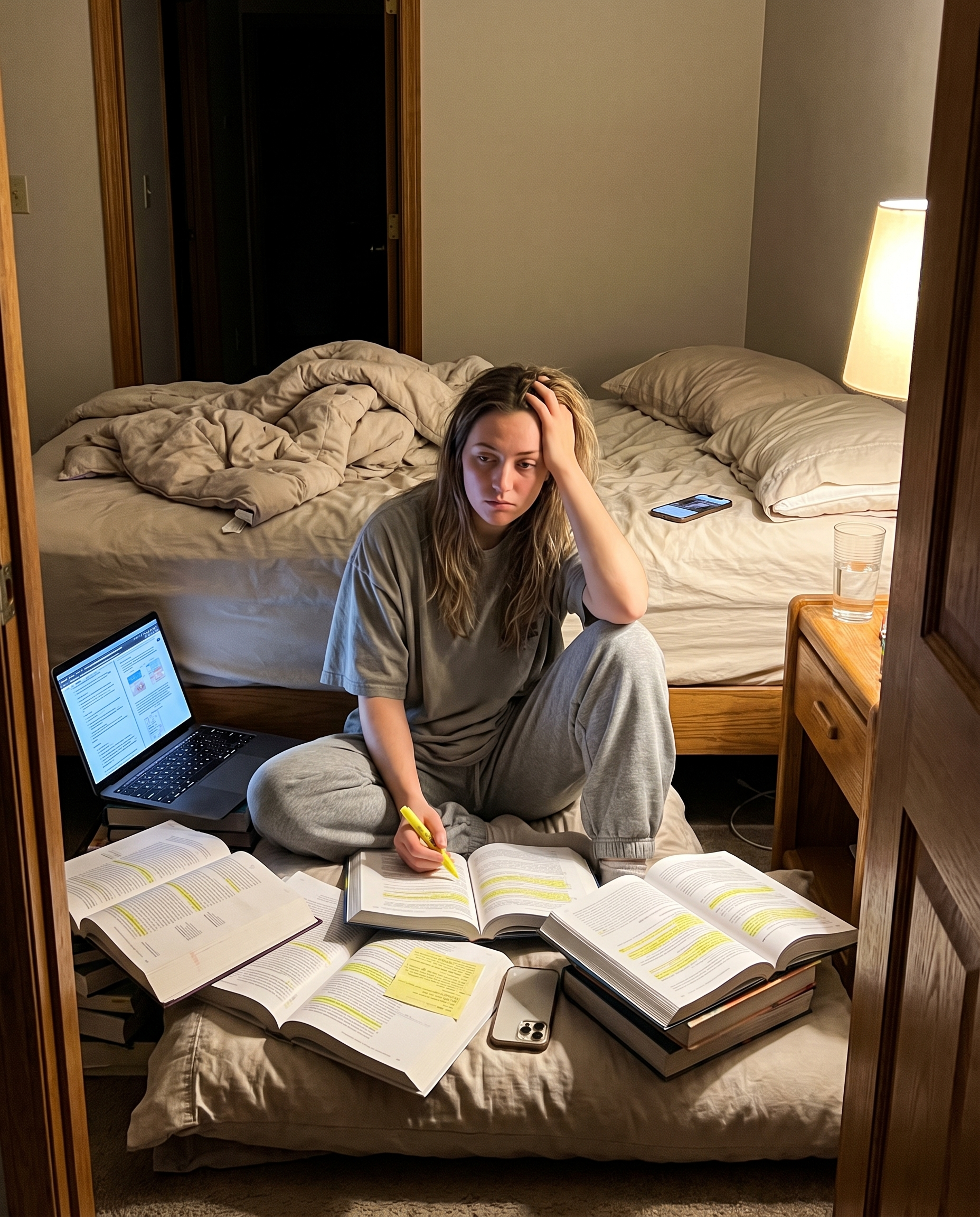
She told me the worst part wasn't the not-knowing. It was that she was too embarrassed to tell anyone on her unit, because she was convinced they'd pull her from the program if they knew how lost she actually felt. So she nodded through report. She wrote everything down knowing she wouldn't be able to read her own notes by the next shift. She went home and stared at a 400-page textbook until her eyes blurred.
She still calls me from that parking garage. She just doesn't sound like that anymore — and it wasn't because the job got easier.
See What Changed For Her →The Countdown — Watching Orientation End and Still Not Being Able to Read a Swan
If you've got six weeks of orientation left and you still can't confidently read a Swan-Ganz waveform, you're not going to say that out loud, because everyone else on your unit seems like they figured it out in week three. You nod when your preceptor explains it. You write the numbers down. You can tell the attending what the numbers are. But if someone asked what the pattern is actually telling you about the patient's heart, you'd freeze.
You've bought two textbooks. You've watched YouTube videos at 2am. You've googled "Swan Ganz for dummies" more times than you'd ever admit. The highlighter ink is thicker than the white space on the page and you still don't feel like you understand it.
Here's the thing nobody tells you: that's not a you problem. That's a format problem.
Why the Fear Won't Go Away No Matter How Hard You Study
Cardiac critical care isn't taught the way most people actually learn it. You get handed a 500-page textbook and told to learn hemodynamics from dense paragraphs, complex diagrams with thirty labels, tables of numbers. You read it. You re-read it. You highlight it. By your next shift, it's gone — not because you didn't try hard enough, but because text-heavy information doesn't stick the way visual information does.
That's not a motivational line. It's the actual reason smart, capable new grads sit in parking garages convinced they chose the wrong career, when the truth is nobody ever showed them what any of it looks like.
Get the Visual Guide →What Actually Quiets the Fear — Seeing It Instead of Reading About It
What changed for the nurse who called me from her car wasn't more studying. It was a book called A Visual Guide to Cardiac Critical Care, written by a cardiac surgery PA-C. About 55 pages, all color-coded diagrams — Swan-Ganz interpretation, hemodynamic profiles, balloon pumps, Impella, ECMO, LVADs, pressors, all of it turned into pictures you can actually hold onto instead of paragraphs you have to decode at 3am.
She read it in one sitting. She texted me the next morning: "I understood my patient's hemodynamics today without asking anyone. First time." The freeze in front of the monitor didn't come back the way it used to. Not because the job got easier — because the information finally matched the way her brain actually works.
You're Not the Only One Carrying This. You Just Haven't Heard Anyone Say It Yet.
If you recognized any of these five moments, that fear isn't a sign you're in the wrong specialty. It's the single most common experience new cardiac ICU nurses have and the one nobody warns you about. It's not your brain. It's the resources you were handed.
A Visual Guide to Cardiac Critical Care
 Grab Your Copy →
Yes — it's one of the most common experiences new cardiac ICU nurses describe, whether or not they ever say it out loud. It's not a sign you're unfit for the specialty.
No. It's built to sit alongside orientation, giving you a visual reference for the concepts you're already being taught, so they actually stick when you're on your own.
No. It's written specifically for nurses new to cardiac critical care. Many readers pick it up before their first shift.
Yes. Swan-Ganz interpretation, balloon pump timing, Impella waveforms and P-levels, VA and VV ECMO, Harlequin syndrome, and LVAD are all covered visually.
Most readers get through the entire book in one evening — about an hour — and then flip back to specific pages on shift as needed.
A physical spiral-bound book. It lays flat at the bedside or on your lap during a quiet moment on shift.
You're covered by a 30-day money-back guarantee. If it doesn't click for you, reach out and we'll make it right.