
5 Cardiac ICU Moments That Separate Nurses Who Freeze From Nurses Who Don't
5 Cardiac ICU Moments That Separate Nurses Who Freeze From Nurses Who Don't


I've asked a lot of cardiac ICU nurses the same handful of pop-quiz questions over the past year, half out of curiosity, half because I genuinely wanted to know where the gaps actually are. Not the textbook gaps. The real-time, standing-at-the-bedside gaps.
What I found was pretty consistent. It's rarely a knowledge problem in the abstract. Almost everyone can define the terms. It's a recognition problem, in the moment, under a monitor that's throwing five numbers at you at once.
Here are the five moments that come up again and again, the ones that separate the nurses who freeze from the ones who don't even blink.
The Impella Waveform That Looks Fine Until You Know What You're Looking At
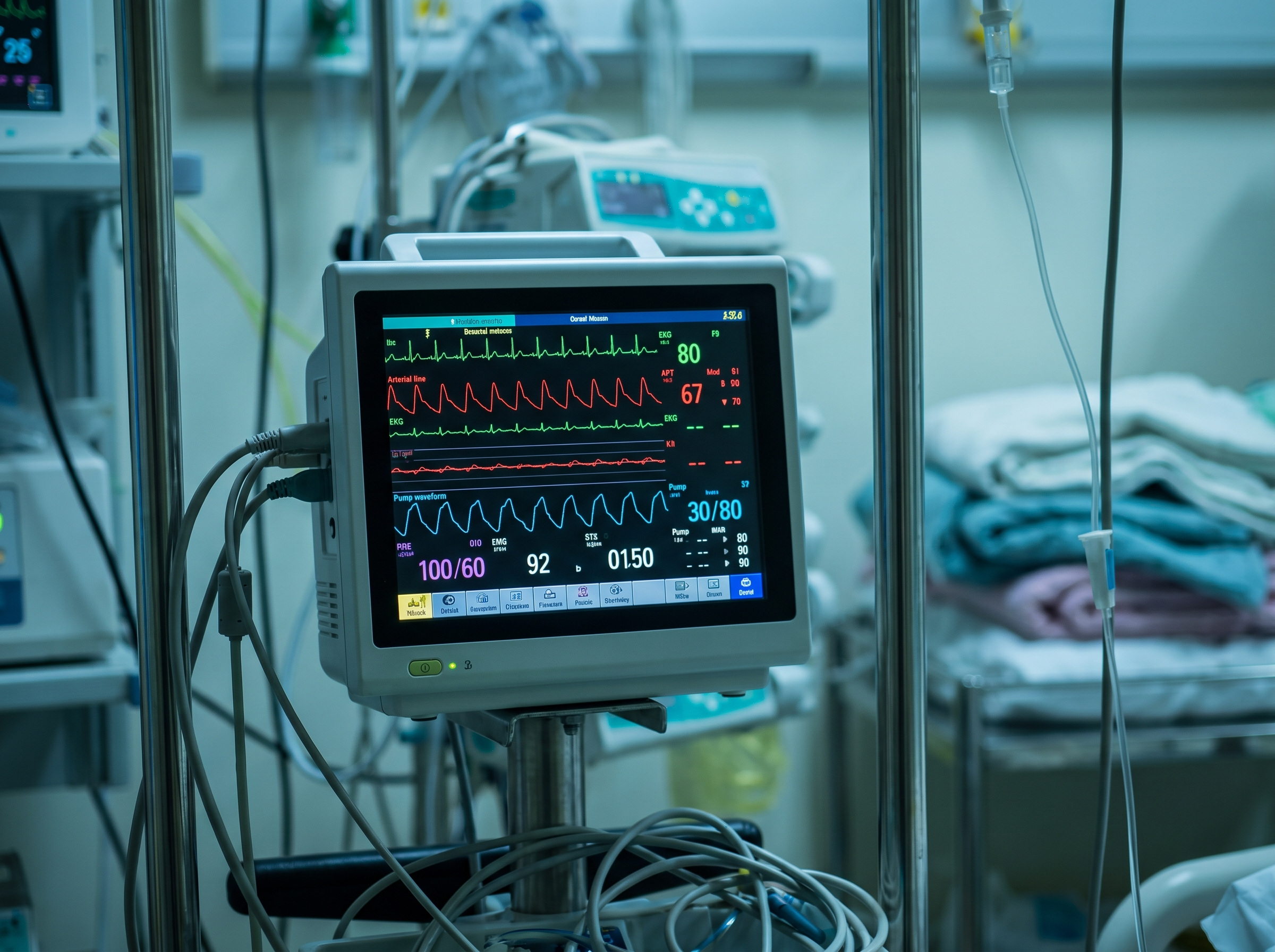
Ask a new CVICU nurse what the red signal versus the grey signal means on an Impella waveform, and you'll usually get a pause first. The aortic trace and the ventricular trace are telling two completely different stories, and if the ventricular waveform goes flat, that's not a rhythm problem — it's a positioning problem.
Nobody's born knowing this. It's pattern recognition that either gets built deliberately, or gets built the hard way, one scary shift at a time.
The IABP That Looks Perfect on the Monitor While Something's Already Wrong
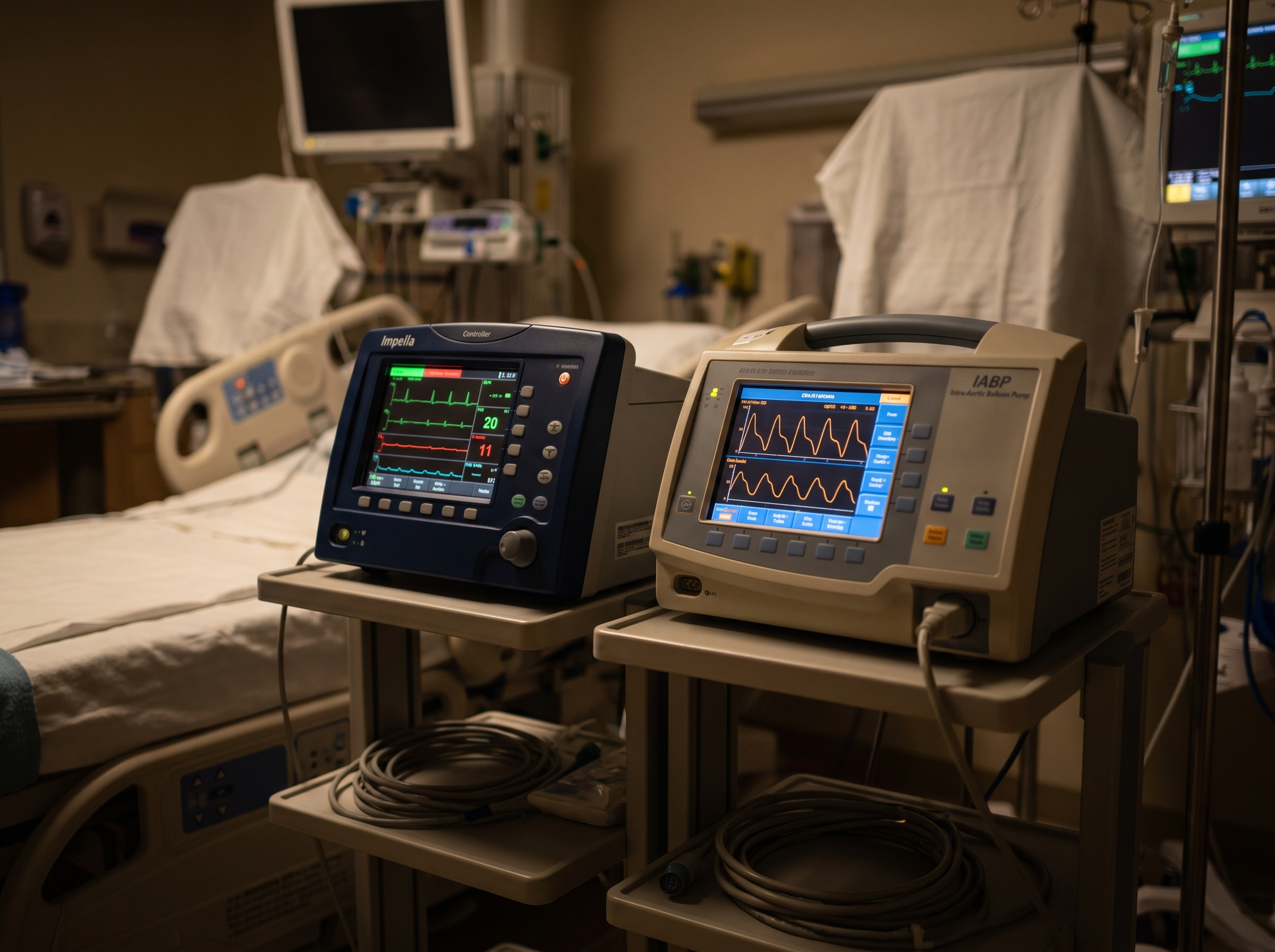
Good augmentation on the screen does not automatically mean good perfusion at the bedside. This is the gap that trips up nurses who were trained to read the waveform but never trained to look up from it. A pretty balloon pump trace and a patient who's cool, mottled, and increasingly confused can absolutely coexist.
The fix isn't more staring at the monitor. It's knowing which bedside findings override what the screen is telling you.
See What Closed the Gap →The EKG Territory Question That Exposes Who Actually Knows Their Coronaries
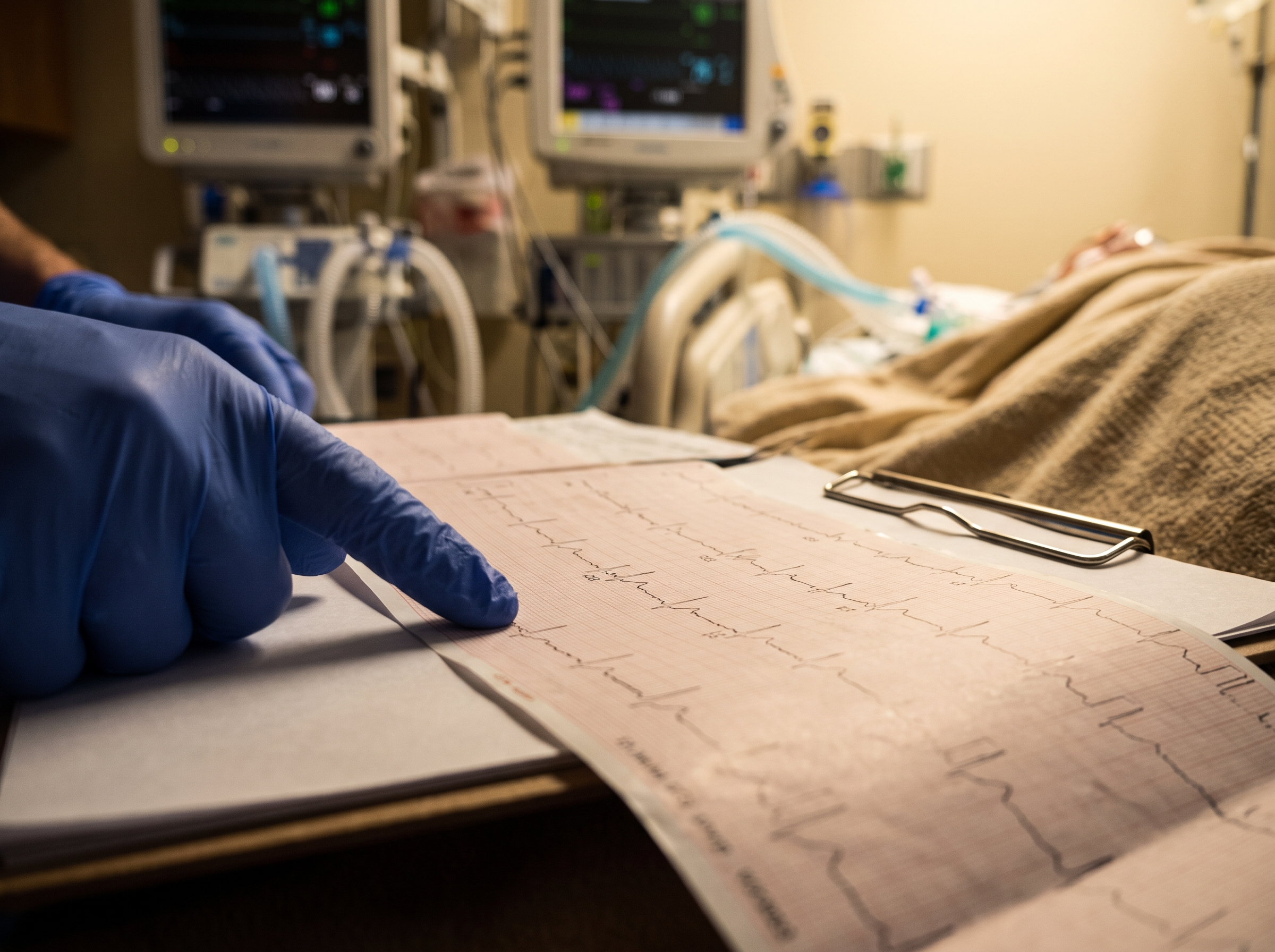
Ask which coronary artery the lateral leads are looking at, and it separates people fast. It's the left circumflex. Ask about the inferior leads, and it's the RCA. Simple once it's mapped out — genuinely disorienting the first few times you're trying to reconstruct it under pressure with a strip in your hand.
This isn't a memorization problem either. It's a "nobody drew me the map" problem.
The Two-Tone Skin on ECMO That Isn't a Fluke
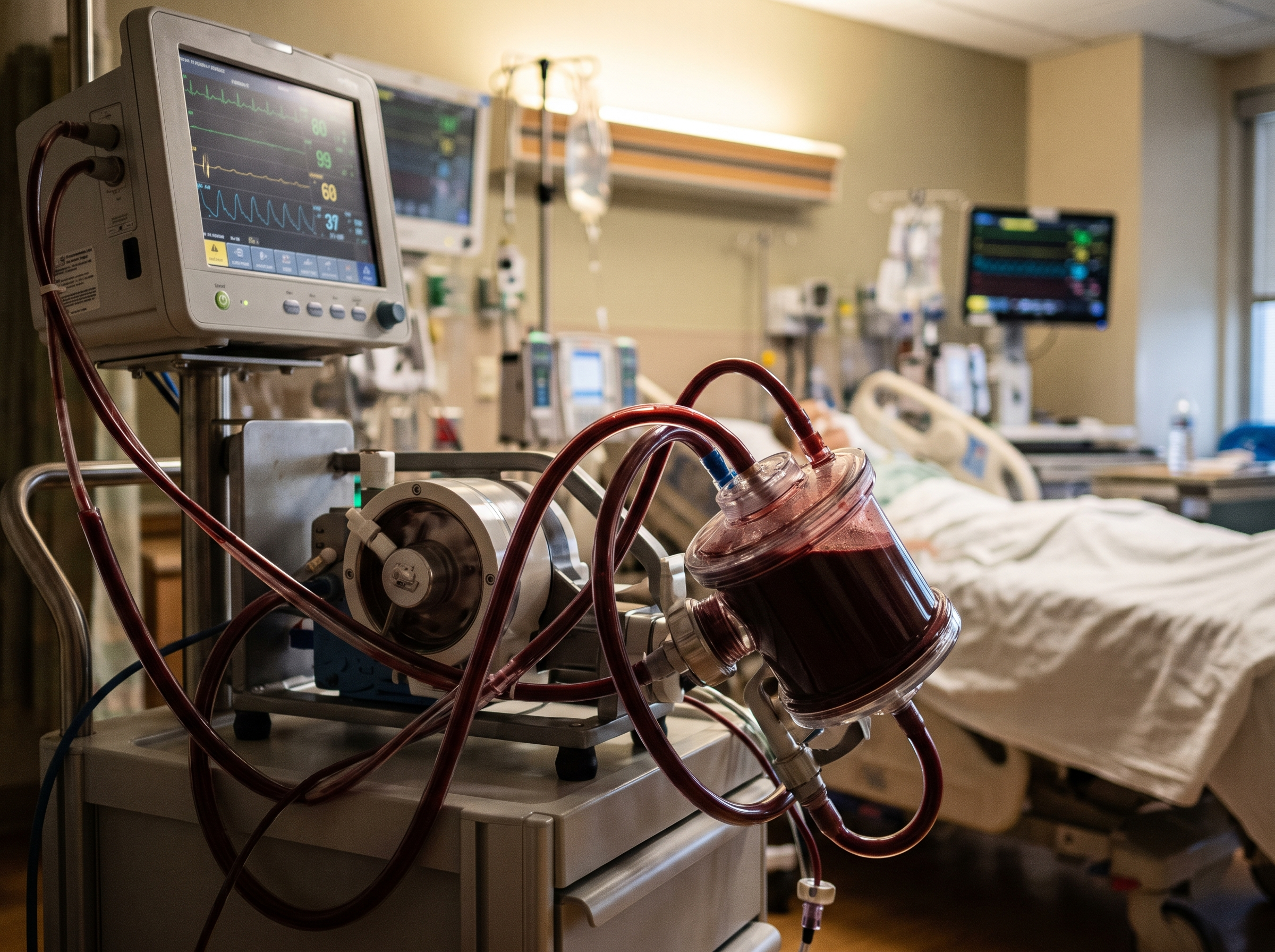
Dusky upper body, pink lower body, on a VA ECMO patient whose numbers otherwise look fine. Most new nurses have never heard of Harlequin (North-South) syndrome by the time they see it for the first time, and it's genuinely alarming if you don't already know what you're looking at: the native heart is still ejecting deoxygenated blood upstream while the circuit oxygenates everything downstream of the cannulation.
It needs escalation, not just a pulse ox recheck. That's the kind of thing you want to have already seen on paper before you see it on a patient.
See What Closed the Gap →What Actually Closed the Gap Wasn't More Shifts. It Was Finally Seeing the Pattern.
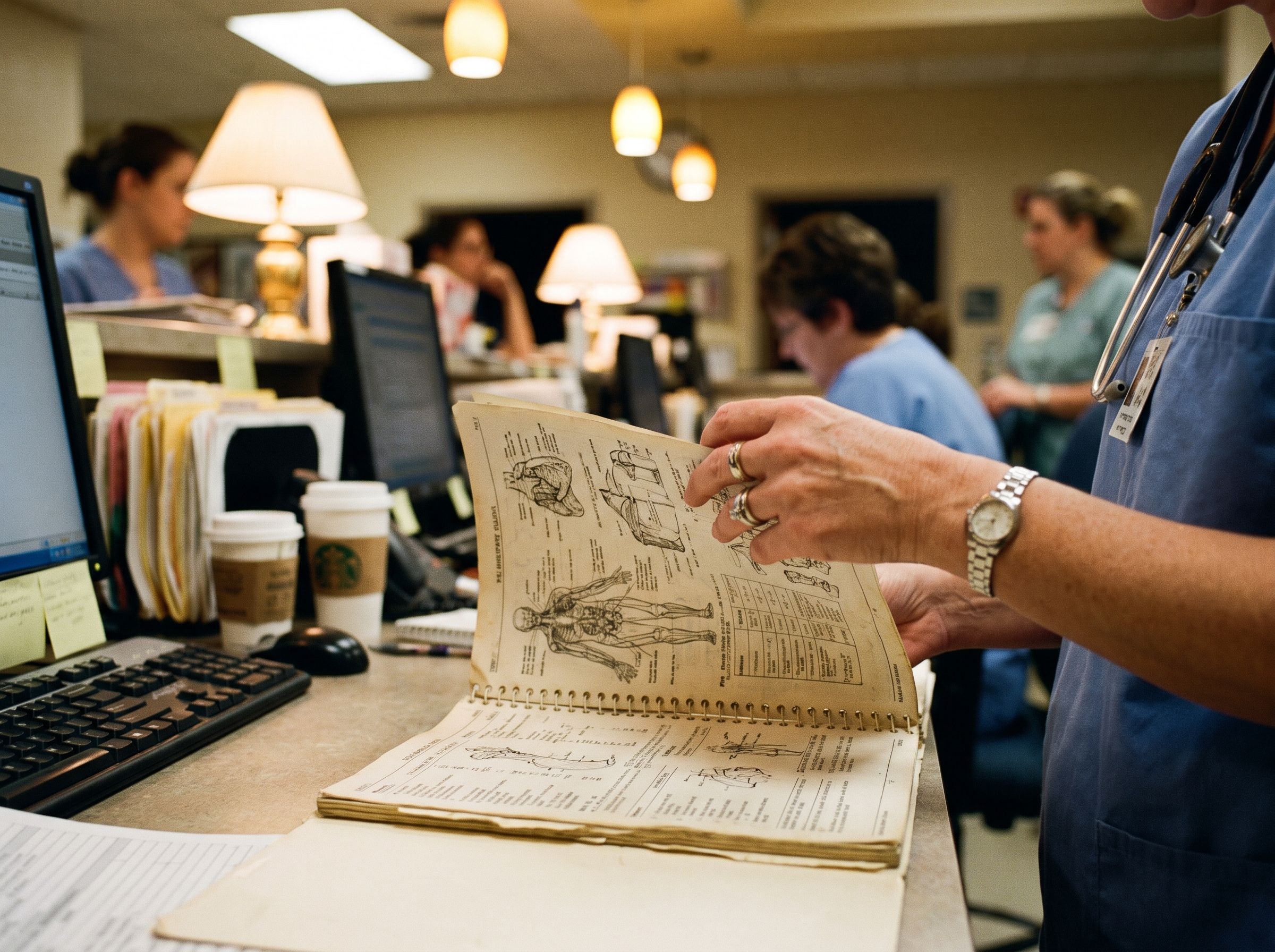
Every nurse who told me they'd gotten past these moments described the same shift eventually. Not more confidence exactly. More like: "I stopped translating and just started seeing it."
What got them there was a resource built around visual pattern recognition instead of dense paragraphs — Impella waveforms laid out to look at, IABP timing, Swan-Ganz tracings, EKG territories mapped out, ECMO mechanics including Harlequin physiology, cardiogenic shock recognition, all built to be glanced at during a real shift, not studied for a test.
It's written by a cardiac surgery PA-C who trains nurses, residents, and APPs at the bedside. It's spiral-bound so it lays flat on the counter. And it doesn't replace your preceptor or your hours at the bedside — nothing does. It just closes the specific recognition gap that's usually still yours to close after all of that.
None of These Five Moments Mean You're Not Cut Out for This
The Impella waveform. The IABP that looks fine while it isn't. The EKG territory question. The two-tone skin on ECMO. Every one of these shows up across completely different hospitals, described in almost the same words.
None of it means you're behind. It usually just means nobody's handed you the material built to close the specific gap you're standing in front of.
A Visual Guide to Cardiac Critical Care
 Grab Your Copy →
Yes. Most new CVICU nurses are exposed to at least IABP and hemodynamic monitoring immediately, with Impella and ECMO following as your unit ramps up your exposure. Having the pattern recognition ahead of time means you're not learning it cold the first time you're standing in front of it.
Yes. Bedside recognition of cardiogenic shock — cool extremities, narrowing pulse pressure, trending labs and hemodynamics — is covered alongside the mechanical support content, since the two are almost always taught together in practice.
No — it's written specifically for nurses new to the cardiac ICU. It assumes basic nursing fundamentals and builds from there. Most reviewers picked it up before their first shift or during orientation.
All of them — CVICU, CICU, CCU, CTICU. The hemodynamics, drips, and mechanical support content applies across every cardiac critical care setting.
Yes. Balloon pumps, Impella, VA and VV ECMO, and LVAD are covered visually — what the device does, what the numbers mean, and what you're troubleshooting when something looks off.
A physical spiral-bound book. It lays flat on the counter at the nurses' station and travels with you between rooms. No screens, no logins.
You're covered by a 30-day money-back guarantee. If it doesn't click, reach out and we'll make it right.