
7 Things Nobody Tells You About the Cardiac ICU. Every Nurse Who Stayed Will Nod at #1.
7 Things Nobody Tells You About the Cardiac ICU. Every Nurse Who Stayed Will Nod at #1.


They tell you the cardiac ICU has a steep learning curve. They tell you orientation is twelve to sixteen weeks. They tell you you'll have a preceptor, resources, a supportive unit.
Most of what actually matters, nobody says out loud.
Not in the interview. Not in nursing school. Not at the nurses' station at 3 AM, when half the people there are quietly wondering the same thing.
Since I started, I've spent a lot of time listening to what cardiac ICU nurses say when they think nobody's listening. New grads like me. Preceptors. Nurses twenty years in. Moms who are also nurses. The same seven things come up again and again.
Whether you're in orientation, about to start, or you've been closing the cardiac ICU job posting for years, this is the list I wish someone had handed me.
You'll Feel Like the Only One Who Doesn't Get It
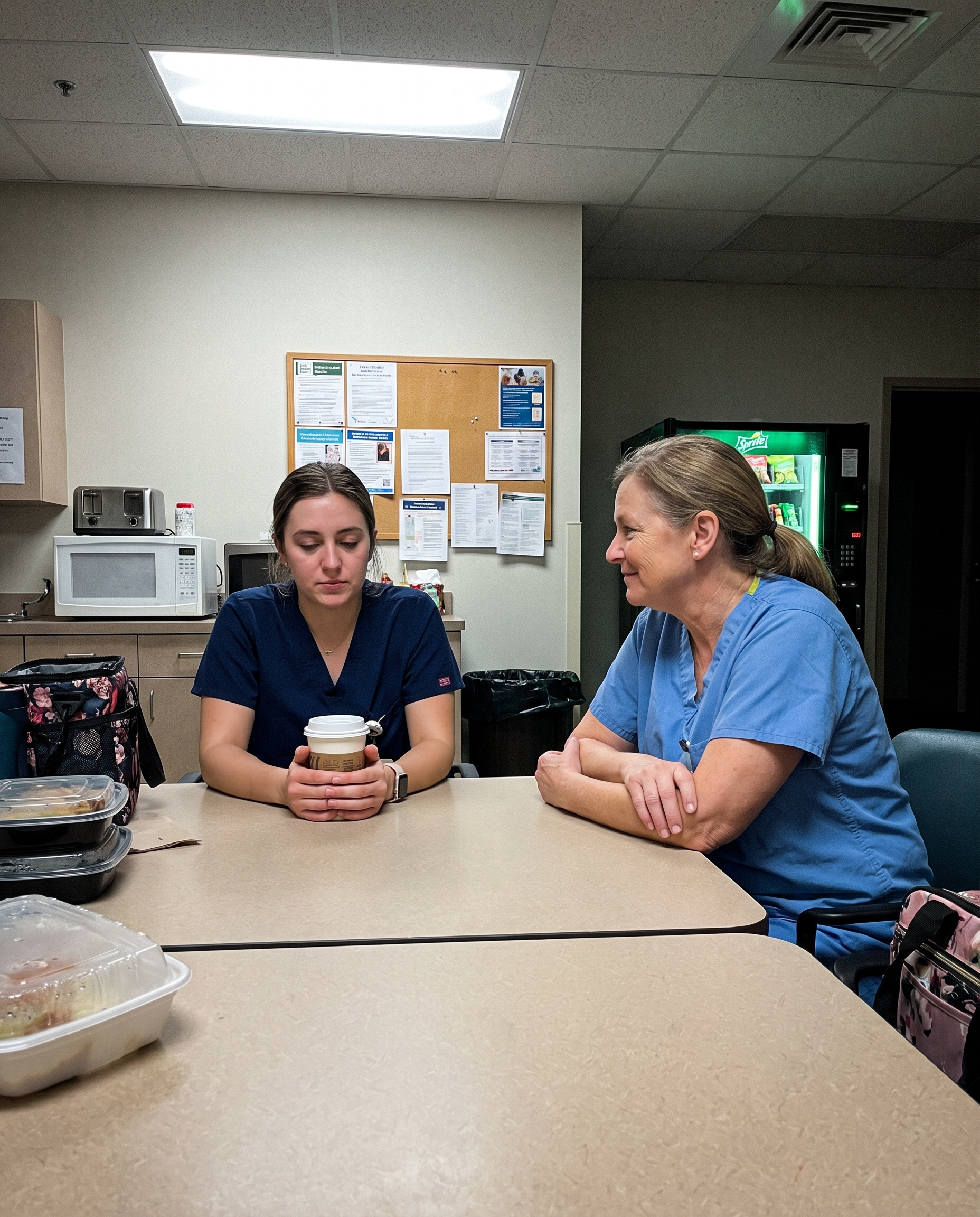
It usually hits in the breakroom, or in your car, or on your phone at 2 AM. The thought is always the same.
Everyone else understands this. I'm pretending.
You're not the only one. You're just the one who hasn't said it out loud yet.
Ask the nurses who've been on your unit for ten years what their first year was like. Almost every one of them has some version of the same answer. That was me. I almost transferred. I cried in the parking lot. I thought I was the only one too.
They don't tell you this in the interview. But the first time someone says it at the breakroom table, everybody sitting there describes it as theirs.
The Wall Shows Up Around Month Three or Four
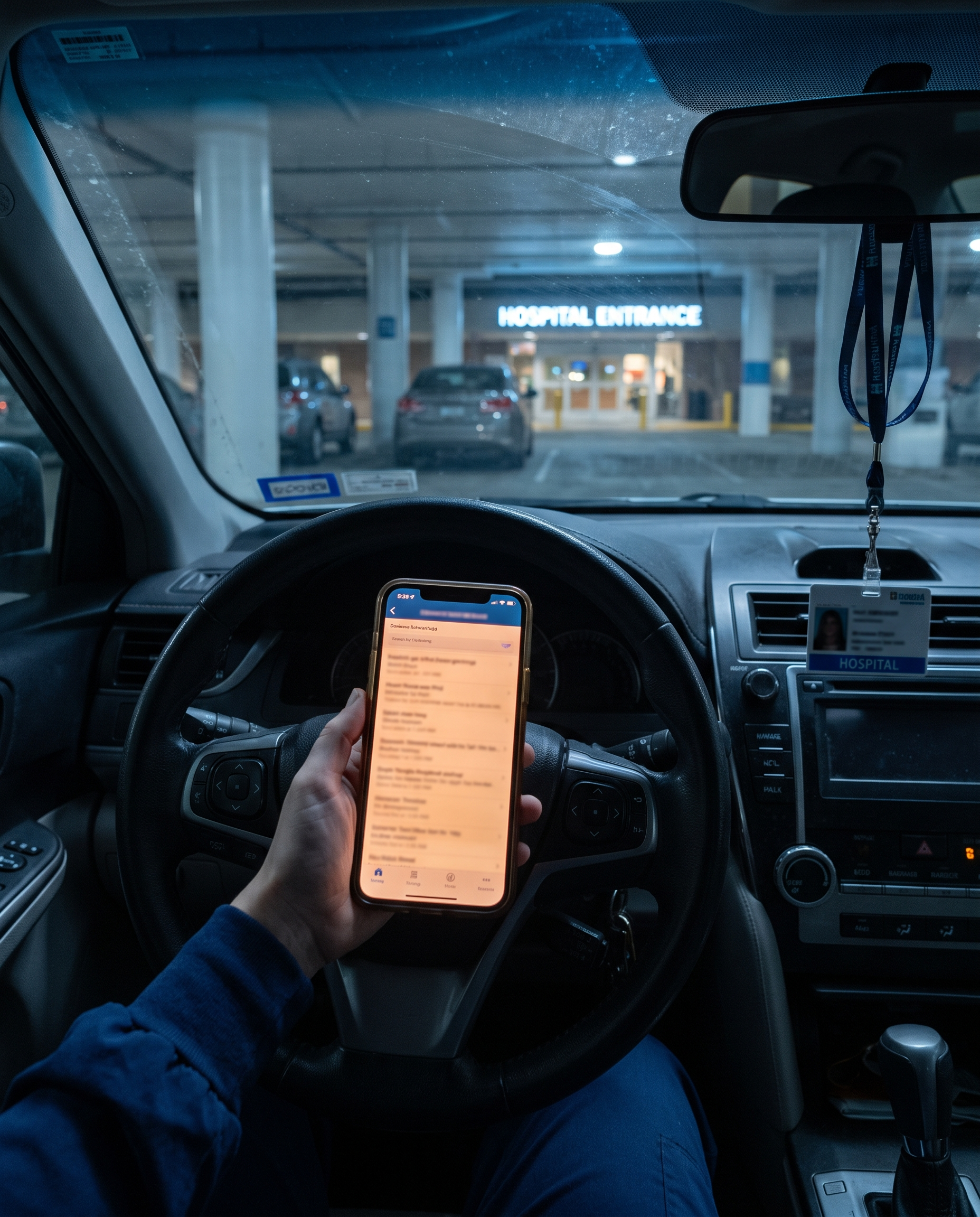
The first few weeks run on adrenaline. You study every night. You make flashcards. You watch videos at 2x speed.
Then somewhere around month three or four, it stops feeling like "I'm still learning" and starts feeling like "I'm not smart enough." A Swan number changes and you can read it off your sheet, but you can't say what it means. Your preceptor explains it again. You nod.
That's usually when the other tabs open. Step-down. Clinic. Anything with a desk.
Sometimes the people closest to you notice before you do. You stop eating dinner on work nights. You sit in the car a few extra minutes before every shift. You tell your mom on the phone that maybe you're just not an ICU person.
If that's where you are, it doesn't mean you picked the wrong unit. It means you hit the same wall everyone hits. The only real question is what gets you over it.
Your Diploma and Your First Shift Are Not the Same Thing

Nursing school taught you how to pass tests about cardiac physiology. Maybe two weeks of cardiac lecture. Heart failure, ejection fraction, the basics of hemodynamics. Enough to get through the NCLEX.
It didn't teach you how to stand at a bedside at 2 AM, look at a monitor, and tell a fellow what's happening while he waits for your answer.
Those are two different skills. Almost everybody walks onto the unit with only the first one. That's not a you problem. That's how most programs are built.
Studying Harder Stops Working. It Was Never an Effort Problem.
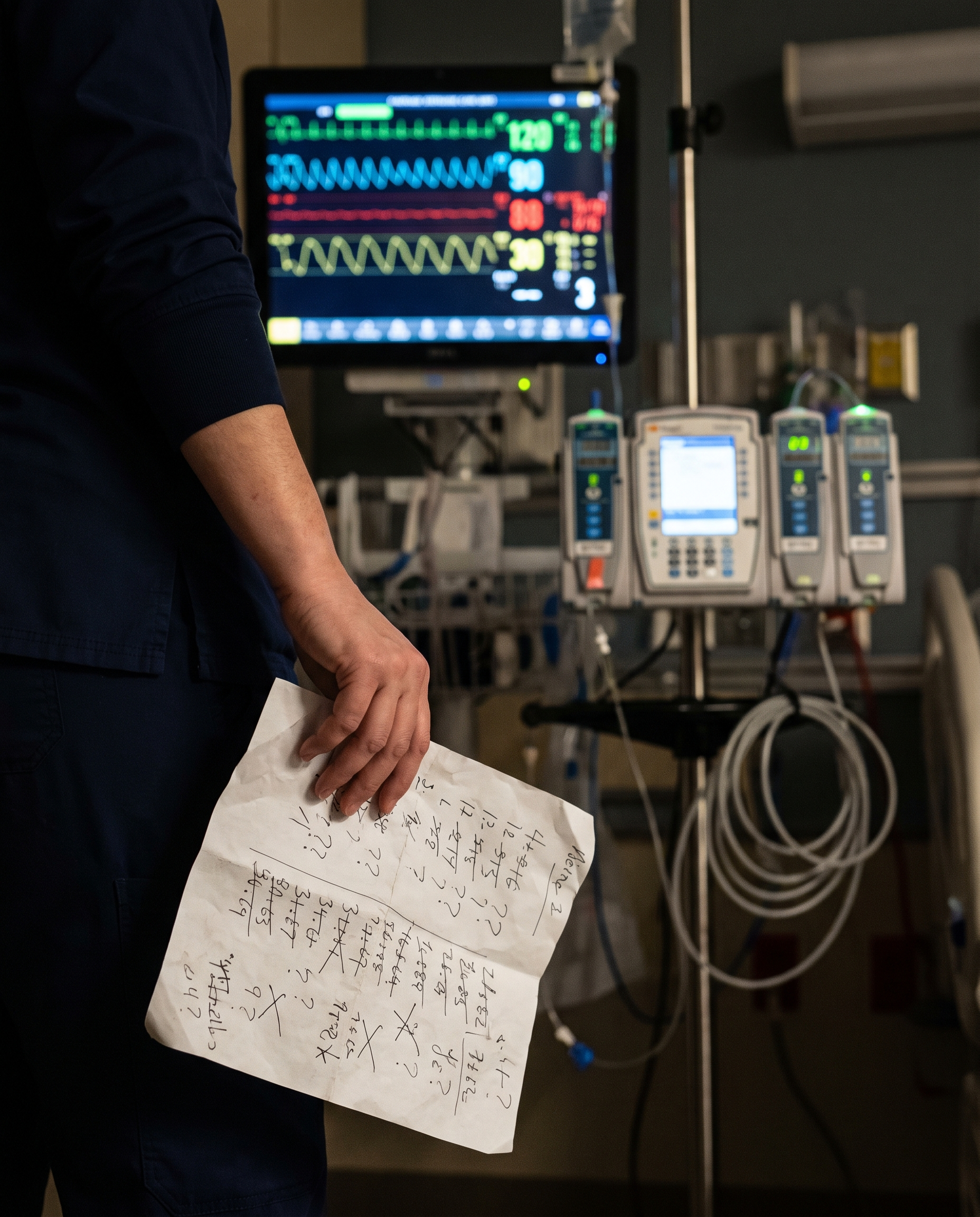
This is the one that surprises people.
The nurses who struggle most in the cardiac ICU are often the ones studying the most. Four passes through the hemodynamics chapter. Three different reference books. Highlighter on every line.
Here's the problem. Hemodynamics is visual. Preload, afterload, SVR, cardiac output, how a balloon pump times with the heart, what an Impella is actually doing in there. These are systems with moving parts. They make sense when you can see them move.
And almost all of it gets taught in paragraphs. Sixty-page chapters. Or out loud, once, in the middle of a busy shift.
One preceptor put it perfectly: you're trying to learn a visual skill from text. That's like learning to swim from a book.
Where You Started Doesn't Decide Whether You Belong

The new grad who went straight to cardiac and keeps hearing "you should have done med-surg first."
The step-down nurse, ten years in, who opens the CVICU posting every time it goes up and closes the tab.
The neuro nurse with nineteen years of being the one everybody asks, who can't stand the thought of being the orientee again.
Different stories. Same fear. And it's almost never about nursing. You already know how to be a nurse.
It's the hemodynamics. The Swan. The balloon pumps and Impella consoles and ECMO circuits. The part that feels like a wall you can't see over.
But a wall you can't see over isn't the same as a wall you can't climb. Most of the time, what's missing isn't experience. It's a clear picture of the cardiac part.
Scared Doesn't Mean You're Not Cut Out for It

Ask a cardiac nurse who retired after twenty-plus years what her first year felt like. There's a good chance she'll tell you she was scared a lot of days. Scared of missing something on the monitor. Scared of titrating the wrong direction. Scared of the question she couldn't answer on rounds.
Then she'll tell you she misses it every single day.
The scared ones are usually the ones who care enough to feel the weight of what they don't know yet. That fear is what makes you scan the bag, trace the line, ask the question. It isn't a sign you should leave. It's a sign you're taking it seriously.
One Person Who Explains It Twice Changes Everything

Nurses eat their young. You've heard it. Some units still live it. One preceptor who sighs and says "you should already know this" can make a new nurse stop asking questions for weeks.
And then there's the other kind. The one who pulls up a chair and says "ask me again, I'll explain it a different way." The one who draws the heart on the back of a report sheet at 3 AM. The one who hands you something and says "this is what I wish someone gave me."
Almost every nurse who stayed can name that person. And a lot of them were handed some version of the same thing: a way to finally see it.
The Resource That Makes the Cardiac ICU Feel Learnable
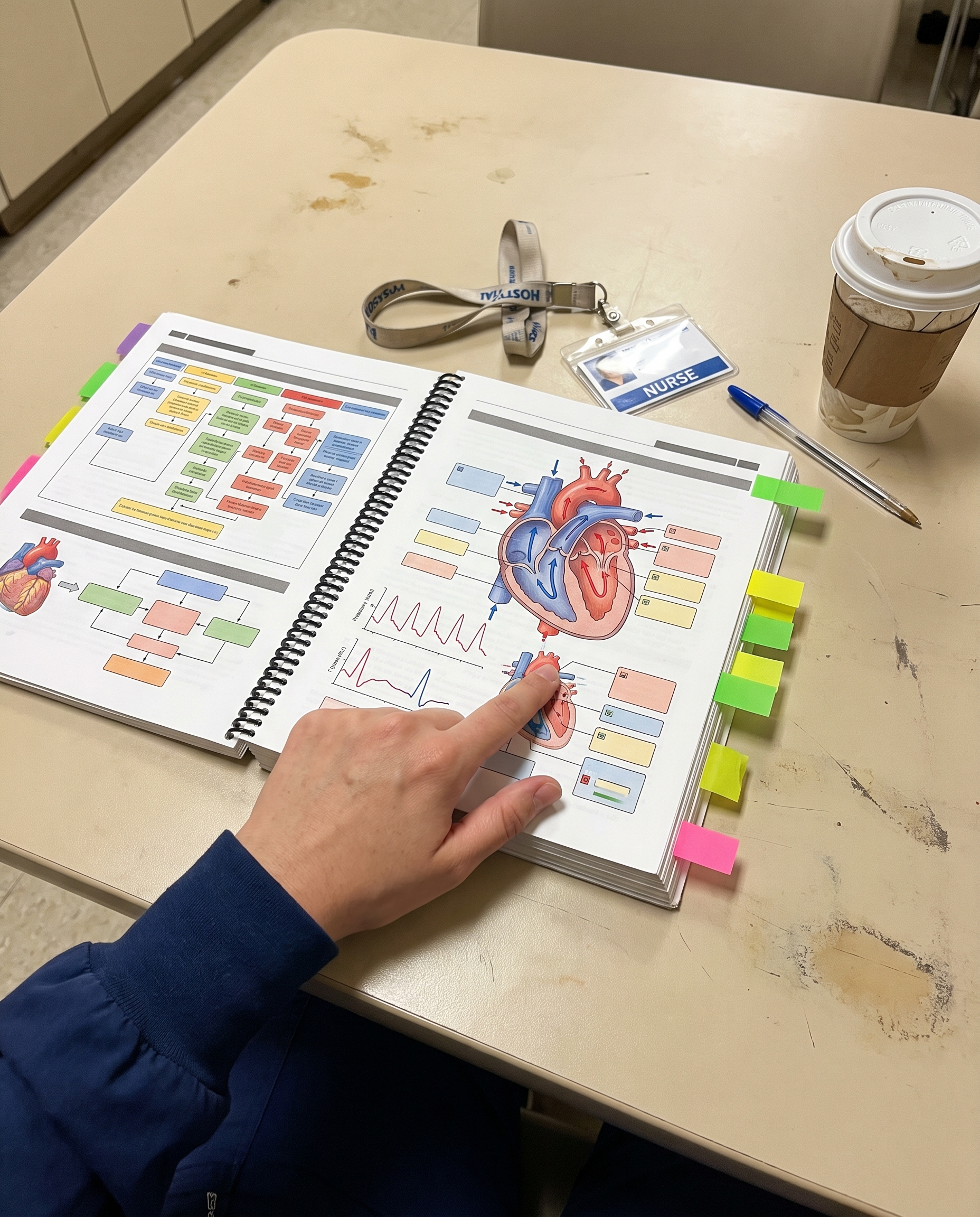
When experienced cardiac nurses talk about what finally made it click, the answer is rarely another textbook. It's something they could see.
The one that keeps coming up is A Visual Guide to Cardiac Critical Care, written by a cardiac surgery PA-C. About 55 pages, spiral-bound, all color-coded diagrams. Swan-Ganz. Hemodynamics. Shock. Balloon pumps. Impella. ECMO. LVADs. Pressors.
No walls of text. Every concept is drawn out so you can see how the pieces move together, instead of trying to memorize words about them.
It doesn't replace orientation. It won't make you an expert overnight. What it does is give your brain a picture to hold onto, so the next time your preceptor explains preload, or the next time a number changes on the monitor, you're not starting from zero.
The nurses who found it in month five usually say the same thing. Why didn't anyone give me this at the beginning?
Get the Visual Guide →If You Saw Yourself Anywhere on This List
Read it before your next shift. The concepts your preceptor keeps explaining will have a picture behind them.
Walk in with the foundation already in your head instead of meeting a Swan for the first time on day one.
You already know how to be a nurse. This is the cardiac part, laid out so the gap feels crossable.
It's a quiet way to help without making it a big thing. Leave it on the counter.
Hand it over in week one, not week eight. Your orientee will ask better questions.
The Gap Is Real. It's Also Closable.
Every cardiac nurse who's good at this now started somewhere between confused and terrified. The ones who made it through weren't the ones who never felt it. They were the ones who found a way to see it.
Before you close the tab, on the unit or on the career, give yourself one real chance to see it the right way.
A Visual Guide to Cardiac Critical Care
 Grab a Copy →
No. A lot of nurses read it before orientation starts, or before applying from another unit, so the concepts already look familiar when the pressure is on.
It builds from the foundation, but it goes into devices, waveforms and shock states the way cardiac units actually use them. Experienced nurses tend to use it to fill the cardiac-specific gaps quickly.
It's short and visual, built to be read in a sitting or two. It's not a textbook that ends up on a shelf.
No. It sits alongside orientation and gives you a visual reference for the concepts your program is already teaching.
Yes. Balloon pumps, Impella, VA and VV ECMO, LVADs, hemodynamics, Swan-Ganz, shock and pressors are all covered visually.
Yes. The hemodynamics, drips and mechanical support content applies across cardiac critical care units.
You're covered by a 30-day money-back guarantee. If it doesn't click, reach out and we'll make it right.