
5 Signs You're About to Lose Someone in the Cardiac ICU. Not a Patient. A Nurse.
5 Signs You're About to Lose Someone in the Cardiac ICU. Not a Patient. A Nurse.

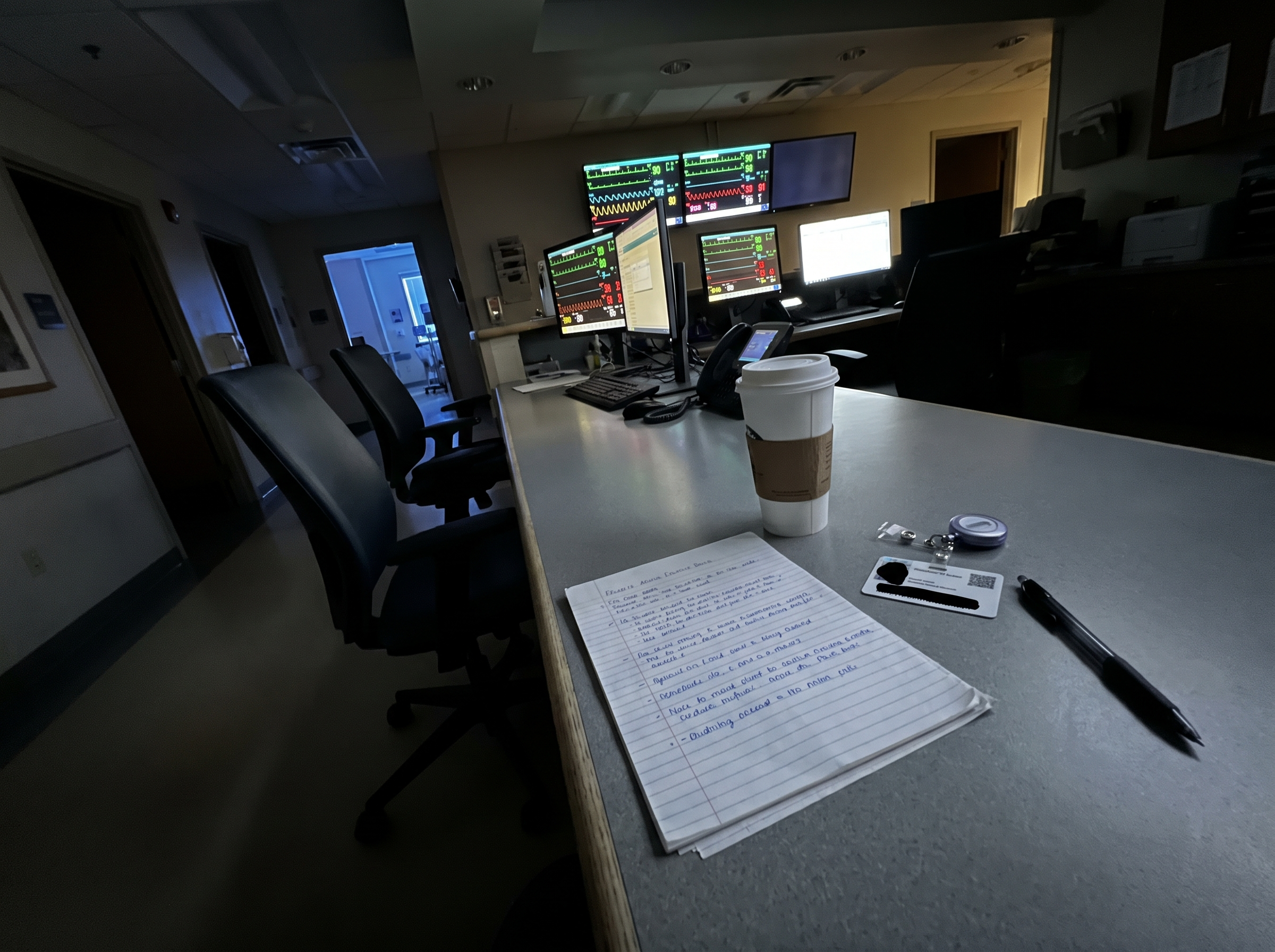
I've been precepting in the cardiac ICU for nine years. I've watched a lot of new nurses come through.
Here's what I didn't understand for a long time. The new nurses we lose in the first few months are almost never the careless ones. The careless ones don't feel how much they don't know. They stay.
The ones we lose are the good ones. The ones who care enough to feel every gap.
And there's a pattern. It shows up weeks before anyone says the word transfer. These are the five signs I watch for now, so I can catch it while there's still time to do something.
Their Questions Dry Up
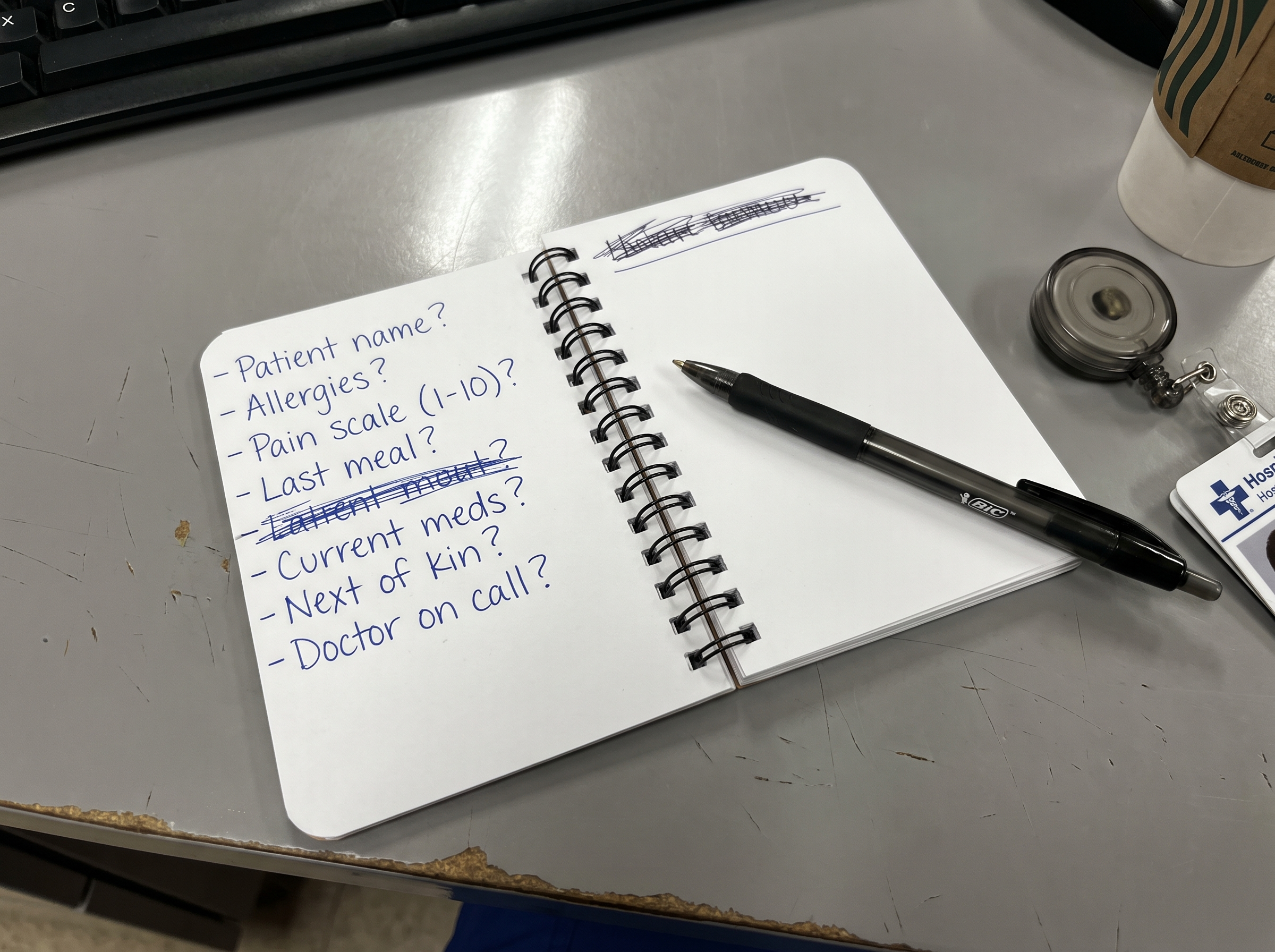
Early on, a good orientee asks everything. Before you finish a sentence. On break. At the end of report.
Then one day you notice it's quiet.
It's easy to read that as progress. Usually it isn't. Most of the time it means they've decided they have too many questions to admit to. Every answer made them feel a little further behind, so they stopped asking.
If your orientee went from ten questions a shift to none, that's not confidence. That's someone hiding.
They Know the Numbers but Can't See the Patient
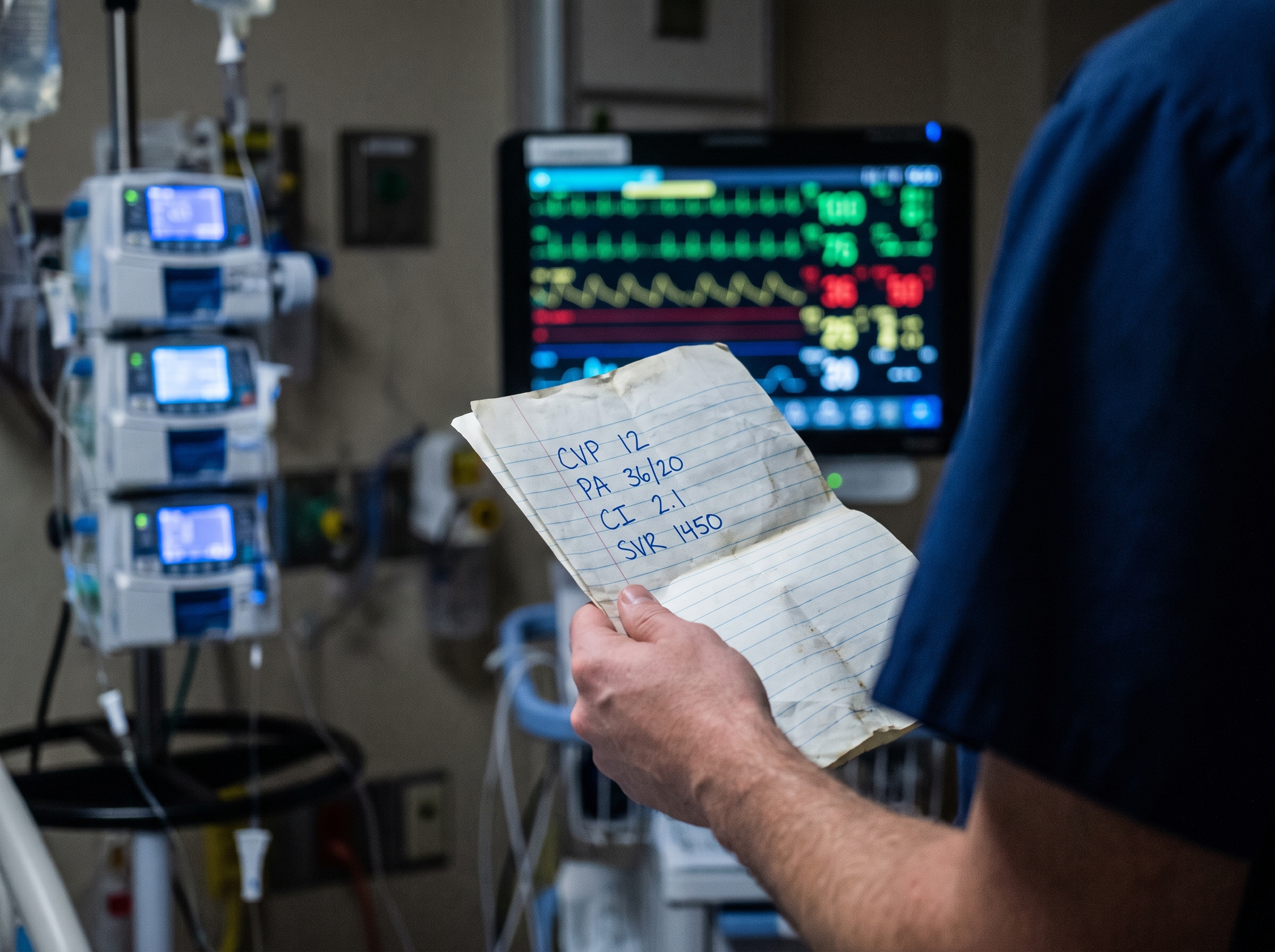
Ask a struggling new nurse for a normal wedge or a normal SVR and they'll get it right.
Then ask them to look at their own patient and tell you what the heart is actually doing. It falls apart.
They write every number down. Sometimes twice. But they learned all of it as a list, and a list doesn't tell you what's happening when three numbers move at once. So when something changes, their mind goes blank and they grab the order set instead of the physiology.
That's not a smart problem. It's a picture problem. Nobody ever showed them how it fits together.
The Calm Shifts Scare Them More Than the Busy Ones
You'd think the chaotic nights would break them. Often it's the opposite.
On a busy night they're running on adrenaline and following you. On a quiet night with a stable patient, they're alone with the monitor and nothing makes sense. They can't tell a calm patient from a patient about to turn, so everything feels like a threat.
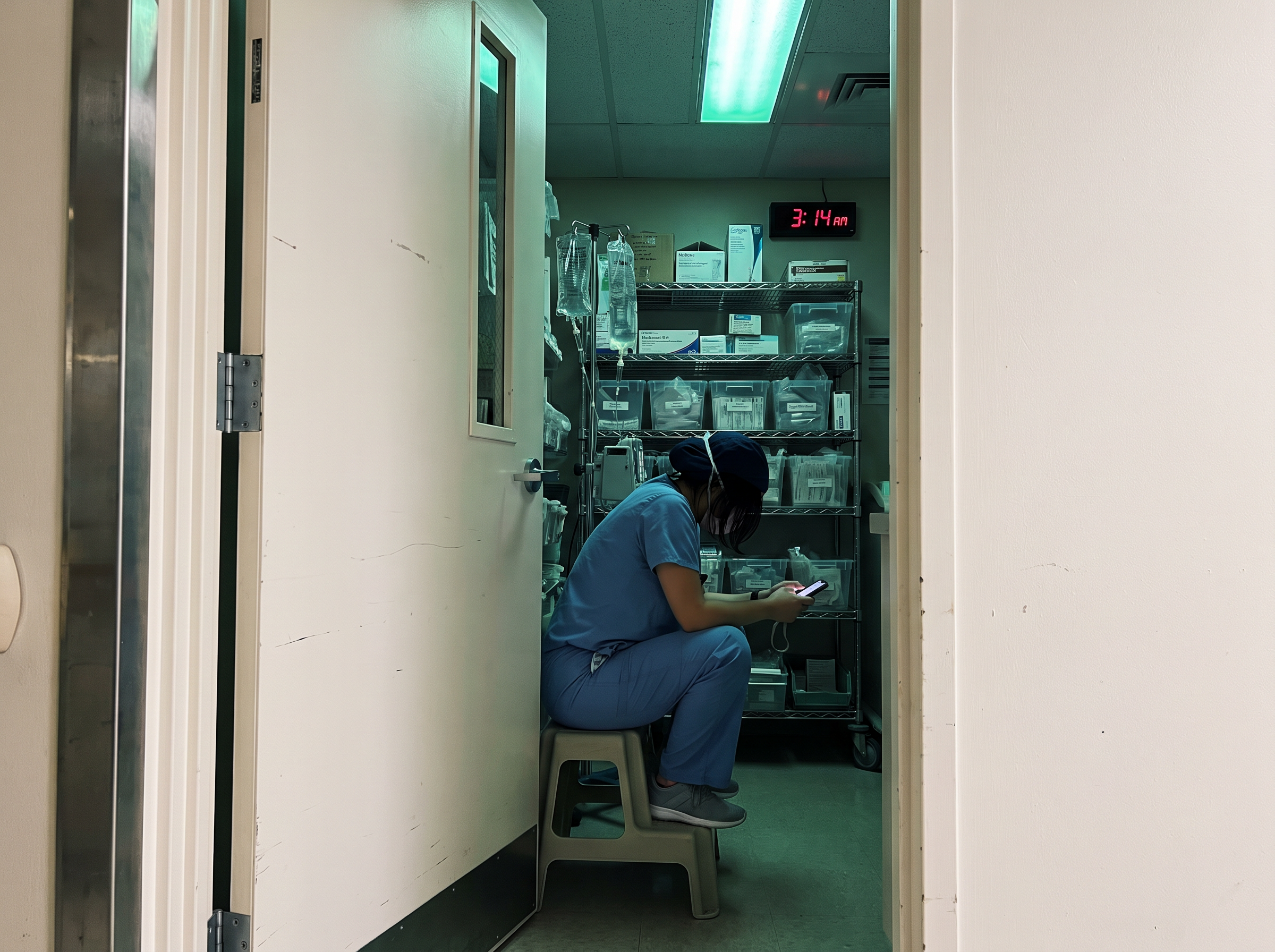
That's when you find them standing still in a room with nothing happening. Or sitting in the med room for twenty minutes.
Honestly, the fear itself is a good sign. A new nurse who's scared of hurting someone is taking the job seriously. But fear with no map doesn't stay fear for long. It turns into leaving.
See What Turned It Around →They Start Asking About Other Units
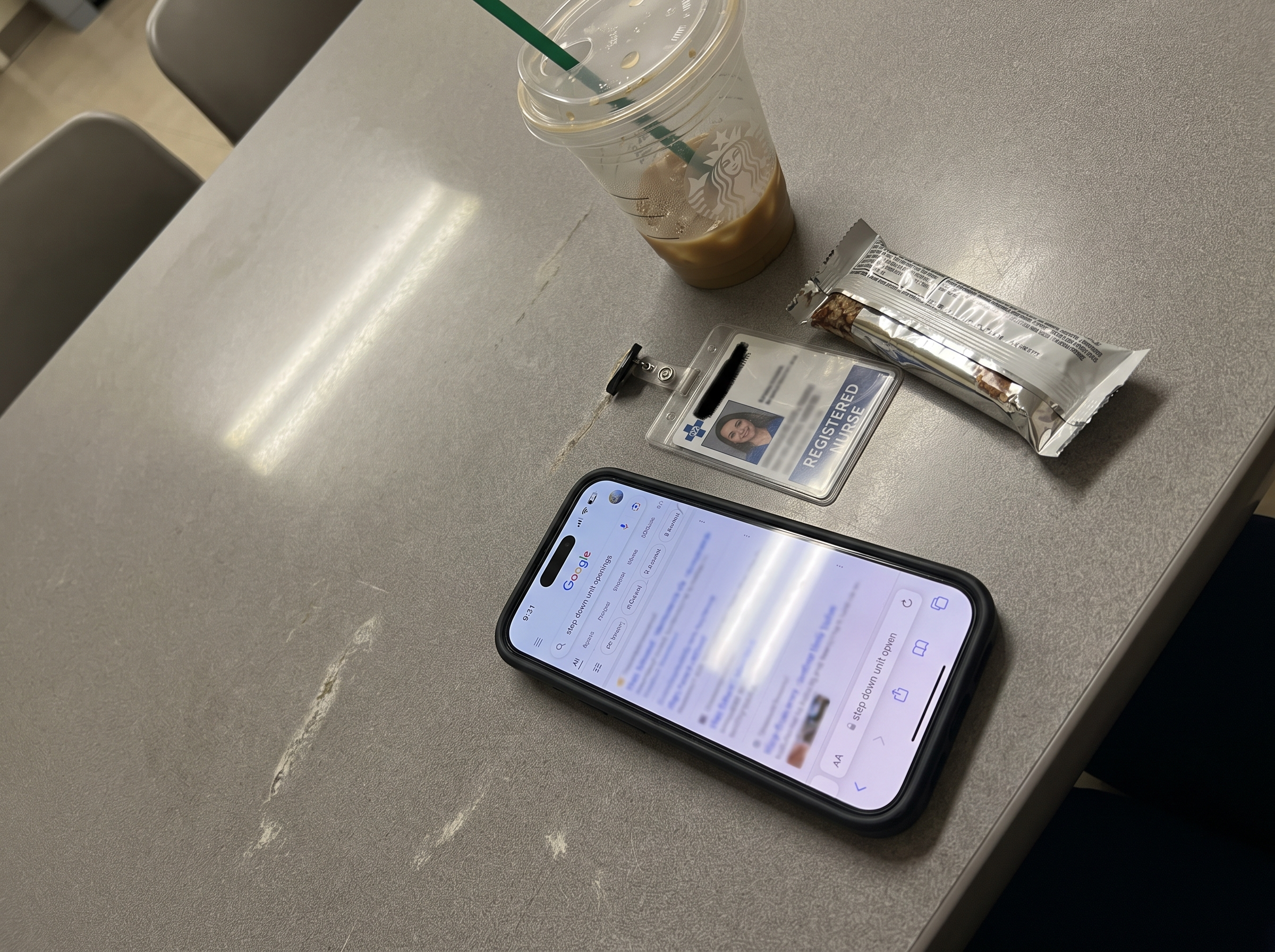
It always sounds casual. What's step down like. Do you know anyone in PACU. Just curious.
It's not casual.
Around the same time, you might see a call out or two that don't quite add up. A good nurse who never missed a clinical suddenly sick two days in a row.
By the time they say any of this out loud, the decision is half made. Arguing with them doesn't work. Telling them to push through doesn't work. What works is giving them one real reason to believe the gap can close, and fast.
They Tell You Everyone Else Just Gets It
This is the sentence. I hear it every single year.
Everyone else just gets it and I'm pretending.
Here's the truth I tell every one of them. Nobody gets it at twelve weeks. Not the nurses in their cohort who seem fine. Not the ones who talk about balloon pumps on break like it's nothing. Some people are just better at hiding it.
The cardiac ICU is the steepest learning curve in the hospital. Hemodynamics, mechanical support, pressors and fresh post-op hearts, mostly taught out loud, once, between call lights. Of course it doesn't stick. It was never going to stick that way.
It's Not a Pep Talk. It's Seeing It.
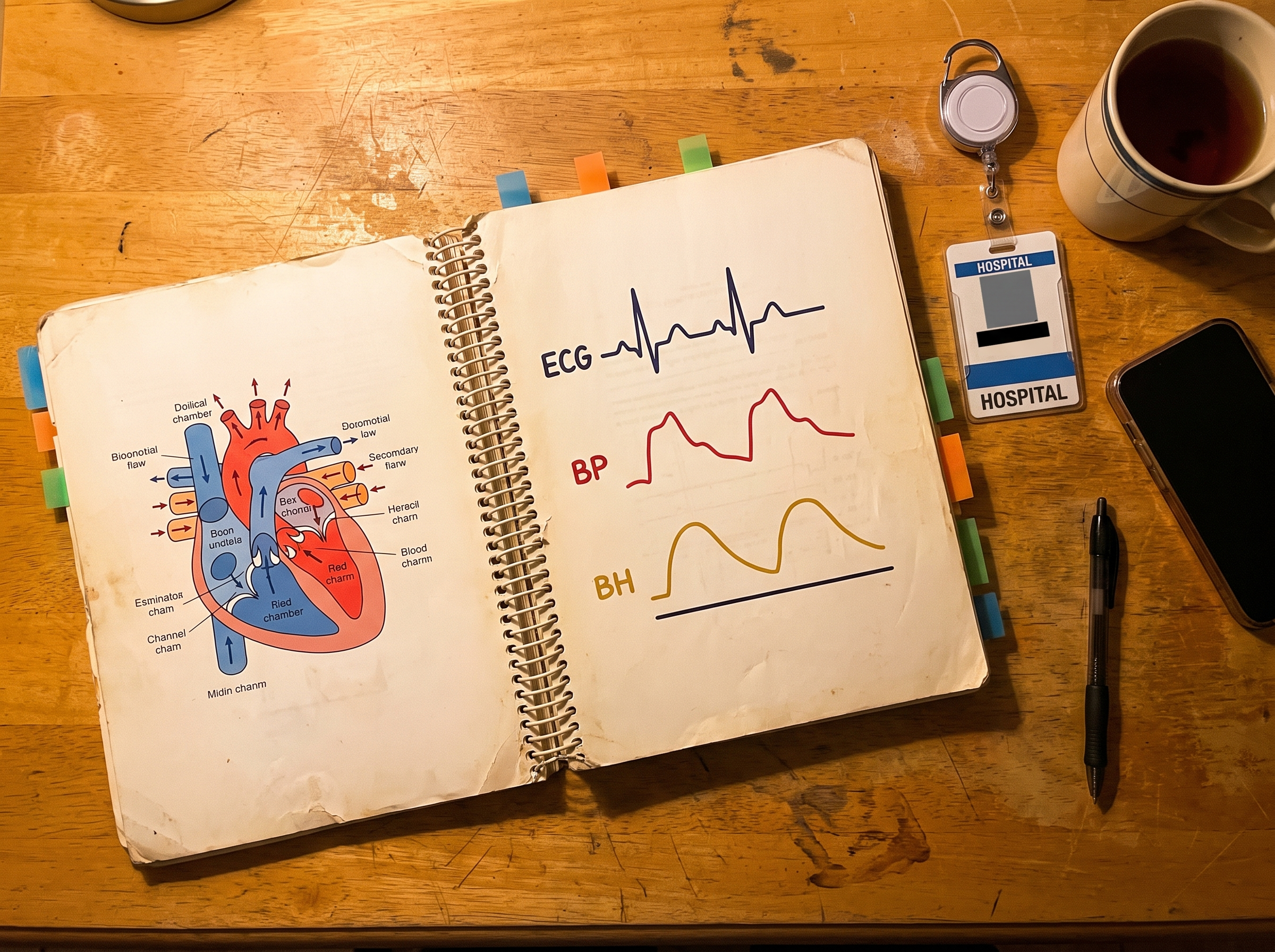
I've tried the pep talks. I've tried more time. I've tried explaining the same thing five different ways.
What finally worked was stopping the explaining and showing them instead.
There's a book I give my orientees now. It's called A Visual Guide to Cardiac Critical Care, written by a cardiac surgery PA-C. About 55 pages of color-coded diagrams. Swan-Ganz. Hemodynamics. Shock. Balloon pumps. Impella. ECMO. LVADs. Pressors. Every concept as a picture instead of a paragraph.
I usually hand it over with one line. Read this before you decide anything.
The text I get back is almost always a version of the same thing. Why didn't anyone show me it like this?
It doesn't replace orientation. Nothing does. It gives a good nurse something to hold onto between your explanations, so the gap stops feeling permanent.
Get the Visual Guide →The Nurses Who Stay Aren't the Toughest. They're the Ones Who Got Shown in Time.
If you precept, watch for the quiet. Don't wait for the transfer conversation. Get your orientee something they can actually see before week twelve.
And if you're the new nurse reading this and every sign sounded like you, you're not the problem. You were just given the hardest unit in the building in the wrong format.
A Visual Guide to Cardiac Critical Care
 Grab a Copy →
Yes. A lot of preceptors buy a copy for each new orientee as part of onboarding. It's built to be handed off.
Absolutely. If you're in orientation or your first year in cardiac critical care and the concepts aren't sticking, it was made for exactly where you are.
No. It sits alongside orientation and gives a visual reference for the concepts your program is already teaching.
Yes. Balloon pumps, Impella, VA and VV ECMO, LVADs, hemodynamics, Swan-Ganz, shock and pressors are all covered visually.
Yes. The hemodynamics, drips and mechanical support content applies across cardiac critical care units.
Yes. Just adjust the quantity at checkout.
You're covered by a 30-day money-back guarantee. If it doesn't click, reach out and we'll make it right.